Hazardous waste service that gives back.
You need hazardous waste handled properly, with clear guidance on the options for your site. From a small print shop to an industrial operation, we help you make informed decisions about treatment, recovery and disposal. Every completed pickup also plants a tree through our partnership with One Tree Planted, at no extra cost to you.
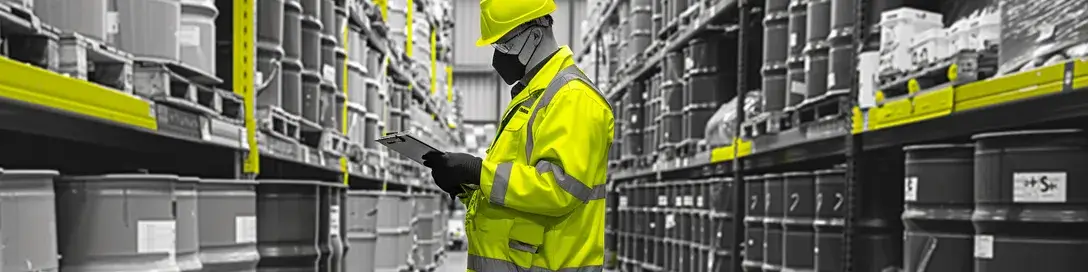
Get guidance on treatment, recycling and material recovery suited to your waste.
Ask about recycled-content containers suitable for your waste program.
Support reforestation with every completed collection, at no extra cost.
What happens to your waste matters.
Getting waste off your site is only part of choosing a provider. You also want to know how it will be handled and whether suitable materials can be recovered.
Different waste streams need different approaches. We help you understand the treatment and disposal options for your materials, including recycling and recovery where appropriate. You can make decisions with a clearer understanding of what your service involves.
Whether you’re arranging a one-time cleanup or regular collections, your dedicated contact will help you work through the details.
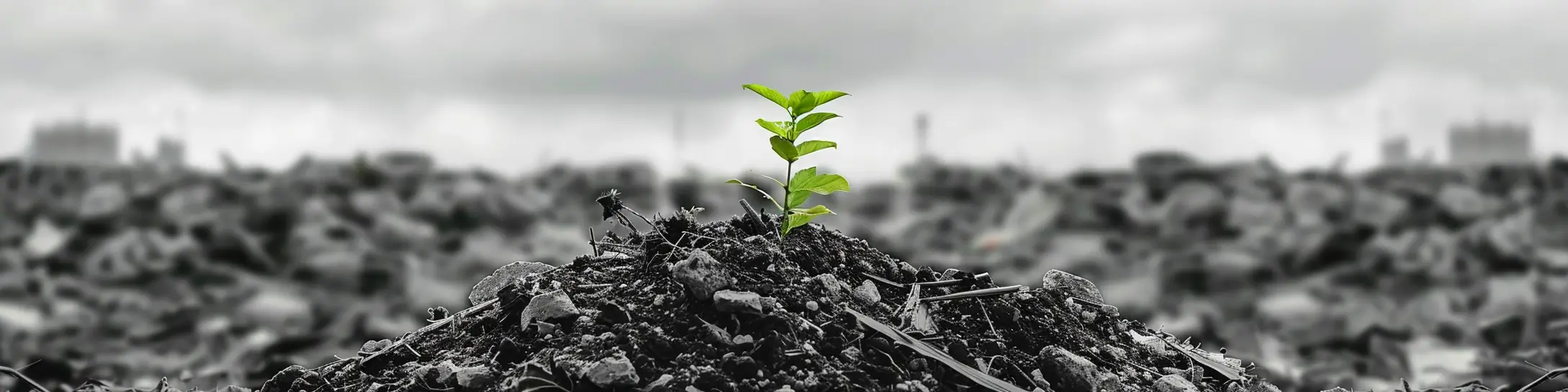
Your next pickup can help plant the next tree.
For every completed pickup, we plant a tree through our partnership with One Tree Planted.
There’s nothing extra to sign up for and no additional charge. Your waste service helps support reforestation, one collection at a time.
One completed pickup. One tree planted. Included in your service.
Less paperwork to keep. Easier records to find.
Waste records and invoices should be easy to find when your team needs them.
Digital invoices, online payments and electronic service documents help you keep track of your account while reducing the paper involved in managing it. If you have a question about a document or need help finding a record, your dedicated contact is there to help.
Make your container choice count.
The right container starts with the waste it needs to hold and the way your site works.
Our ECO range uses recycled materials while maintaining the safety and quality standards your team depends on. We’ll help you identify whether an ECO container is suitable for your waste program.
You get guidance on both suitability and recycled-content options before choosing your containers.
Taking responsibility for our own operations.
Our environmental goals also cover how we run our business.
Our 2030 roadmap targets an all-electric collection fleet, renewable energy for our operations and company-wide net-zero emissions. These are goals we’re working toward across transportation, treatment facilities and offices.
Find the right approach for your waste.
Tell us what materials you need handled, where they are and whether you need a one-time pickup or ongoing service. We’ll explain suitable containers, collection arrangements and treatment or recovery options, with clear pricing before you approve the work.